Book A Call Now

pHix Supplement: Natural Appetite & Metabolism Support Backed by Science
Feel Fuller Naturally
Modern lifestyles make it harder than ever to maintain a healthy relationship with food. Highly processed meals, constant snacking opportunities, and stress can overwhelm the body’s natural hunger and satiety signals. The result? Cravings, overeating, and metabolic imbalances.
Science shows that one of the most powerful regulators of appetite and metabolism is a hormone called GLP-1 (Glucagon-Like Peptide-1). In recent years, GLP-1 has become a buzzword in both medicine and wellness. Pharmaceutical drugs that mimic GLP-1 have shown remarkable effects on weight loss and blood sugar control. But these drugs are costly, require prescriptions, and often come with side effects.
The good news: there’s a natural way to support GLP-1 activity — and it comes from a surprising source: the hops plant.
What Is GLP-1 and Why Is It Important?
GLP-1 is a hormone produced in the gut after eating. It plays multiple roles in digestion, appetite regulation, and metabolism:
- Satiety Signaling – GLP-1 tells the brain “you’re full,” reducing hunger and cravings.
- Slower Gastric Emptying – It slows the rate at which food leaves the stomach, prolonging feelings of fullness.
- Glucose Control – GLP-1 helps regulate blood sugar by enhancing insulin release in response to meals.
- Metabolic Health – Together, these effects reduce overeating, stabilize energy, and support long-term metabolic balance.
When GLP-1 levels are insufficient or poorly regulated, people may experience stronger cravings, difficulty managing weight, and unstable blood sugar.

MHE3: Mature Hops Extract and the GLP-1 Connection
pHix Drops contain MHE3 (Mature Hops Extract) — a concentrated, standardized form of bitter acids from the hop plant (Humulus lupulus). While hops are best known for brewing beer, their mature bitter compounds are now at the forefront of metabolic science.
Research shows that these compounds interact with bitter taste receptors (T2Rs) in the gut. Although these receptors were first discovered on the tongue, they are also found in the gastrointestinal tract. When activated, they signal the release of powerful satiety and digestive hormones:
- GLP-1 → Appetite & glucose regulation
- Peptide YY (PYY) → Satiety signal to the brain
- Cholecystokinin (CCK) → Slows stomach emptying and reduces overeating
This natural cascade supports the same pathways targeted by GLP-1 drugs — but without synthetic intervention.
The Science: What Studies Show
Human Evidence
- In a randomized, placebo-controlled study, a bitter hop extract significantly increased GLP-1, PYY, and CCK while reducing energy intake in healthy men. Participants naturally ate fewer calories and reported less hunger after meals.
Preclinical Research
- A hops-derived compound (KDT501) improved glucose tolerance, reduced fat mass, and increased GLP-1 secretion in animal studies. These findings suggest hops extracts may help regulate both appetite and metabolic health.
Mechanistic Insights
- Bitter acids in mature hops activate gut taste receptors → trigger enteroendocrine cells → release appetite-regulating hormones → support satiety, digestion, and metabolism.
Why Phix Drops Are Different
Not all hop extracts are equal. pHix Drops use pure MHE3 — a mature, standardized form designed for consistency and potency.
Key Advantages:
- ✅ Pure MHE3 – standardized extraction for reliable results
- ✅ Drug-Free – no synthetic GLP-1 analogues, just natural support
- ✅ Convenient Drops – tasteless and colourless; easy to integrate into daily routines
- ✅ Backed by Science – supported by peer-reviewed research
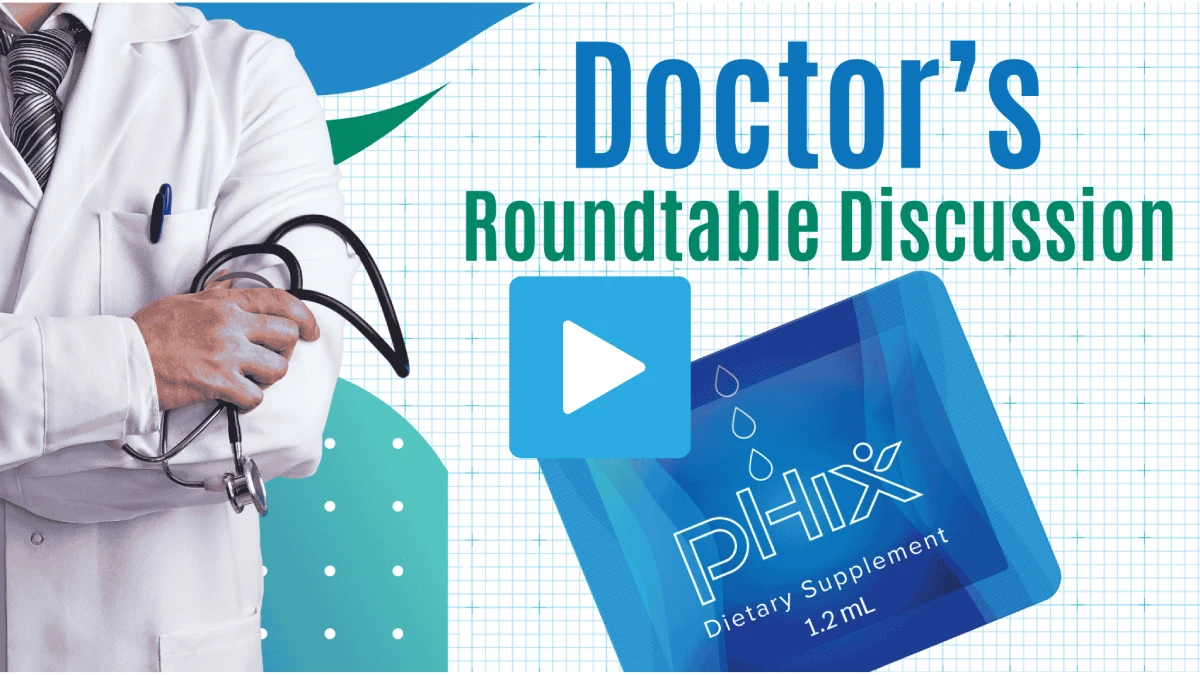
- ✅ Trusted by Experts – physicians and nutrition specialists recognize the benefits of hops extracts
👉 Hear From Doctors About pHix 👇
Potential Benefits of pHix Drops
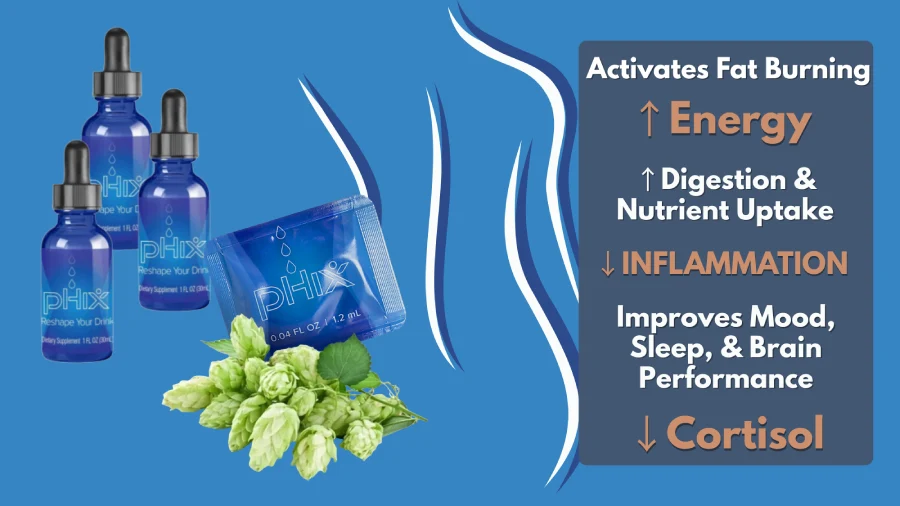
- 🌿 Supports natural GLP-1 secretion
- 🌿 Promotes satiety & reduces cravings
- 🌿 Helps control appetite naturally
- 🌿 Supports balanced glucose metabolism
- 🌿 Works with your body’s physiology
Unlike synthetic drugs, pHix Drops harness the power of nature to restore balance instead of forcing change.
How to Use Phix Drops
Phix Drops are easy to integrate into your daily health routine:
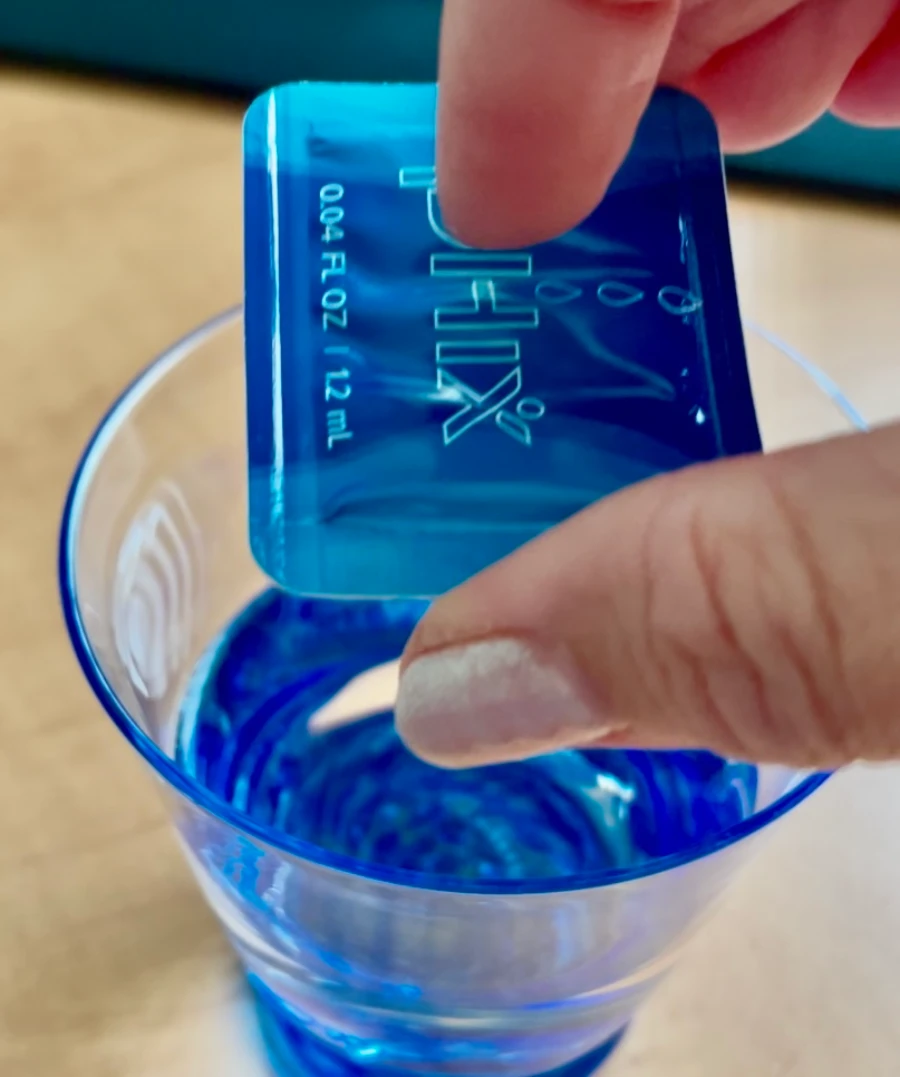
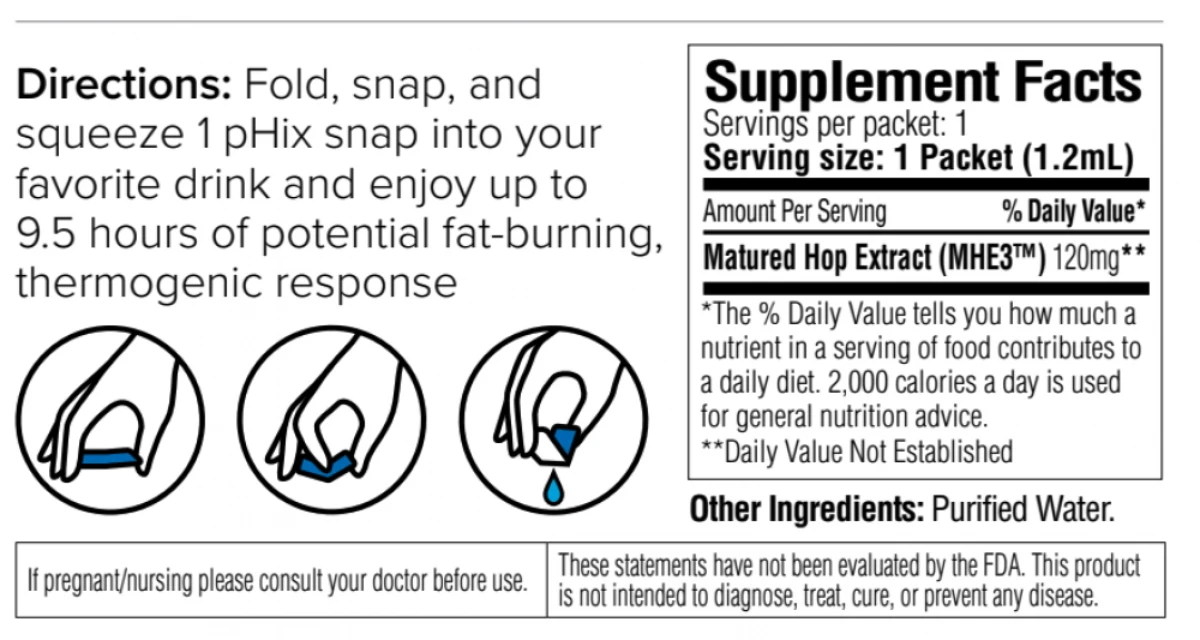
- Take 1 snap or 1.2ml (full dropper) of pHix drops with water or any drink of your choice.
- Use consistently twice per day before meals for best results. (9 hours apart).
- Pair with balanced nutrition and movement for optimal health benefits.
The Bottom Line
GLP-1 is one of the body’s most important natural tools for appetite and metabolic health. While pharmaceuticals have shown what’s possible when GLP-1 is harnessed, nature has provided its own solution in the form of mature hops extract (MHE3).
pHix Drops are the first product to deliver pure, standardized MHE3 in a convenient, drug-free format — helping you take control of cravings, appetite, and metabolism.
Backed by science. Rooted in nature. Ready for you.
👉 Shop pHix Drops Now
👉 Learn More About the Research
👉 Watch Doctor Videos on pHix
References
- Costabile, G., et al. (2022). A bitter hop extract reduces subjective hunger and increases gut peptide hormones: A randomized, placebo-controlled, cross-over trial in healthy men. Food & Function, 13(3), 1230–1241.
- Bain, J.E., et al. (2020). Bitter hops extract increases GLP-1, CCK, and PYY secretion and reduces energy intake in humans. Food & Function, 11, 345–355.
- Ardecky, R.J., et al. (2018). KDT501, a derivative of isohumulones from hops, improves insulin sensitivity and glucose tolerance through GLP-1–mediated pathways. PLoS One, 13(9): e0203377.
- Janssen, S., et al. (2011). Bitter taste receptors and α-gustducin regulate the secretion of ghrelin with functional implications for food intake and glucose metabolism. Journal of Clinical Investigation, 121(6), 2559–2571.