Book A Call Now

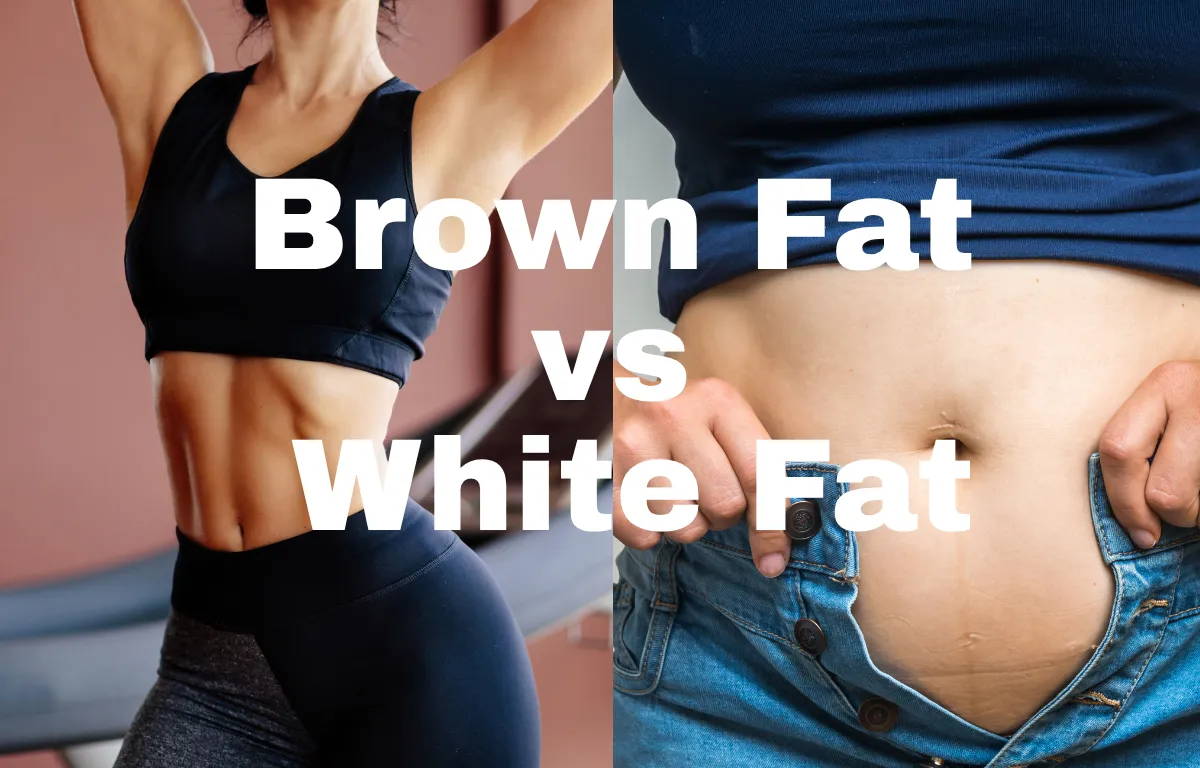
Brown Fat 101: The Metabolic Gear Most Diets Ignore
Brown fat is a calorie-burning tissue most diets ignore. Here's how brown adipose tissue works, what the research says, and how to support it.
When people talk about body fat, they usually mean one thing: the soft, stored kind that builds up around the waist, hips and thighs. But the human body actually contains several different types of fat, and one of them behaves in almost the opposite way to the others. Brown adipose tissue — usually shortened to brown fat or BAT — burns energy to produce heat rather than storing it. For decades, researchers believed adults didn’t have any, until imaging studies in 2009 proved otherwise. Today, brown fat is one of the most active areas of metabolic research, and it sits at the centre of a growing conversation about fat loss, metabolism and stimulant-free supplements such as pHix. This article explains what brown fat is, how it works, what the research currently shows, and the everyday habits that appear to support it.
What brown fat actually is
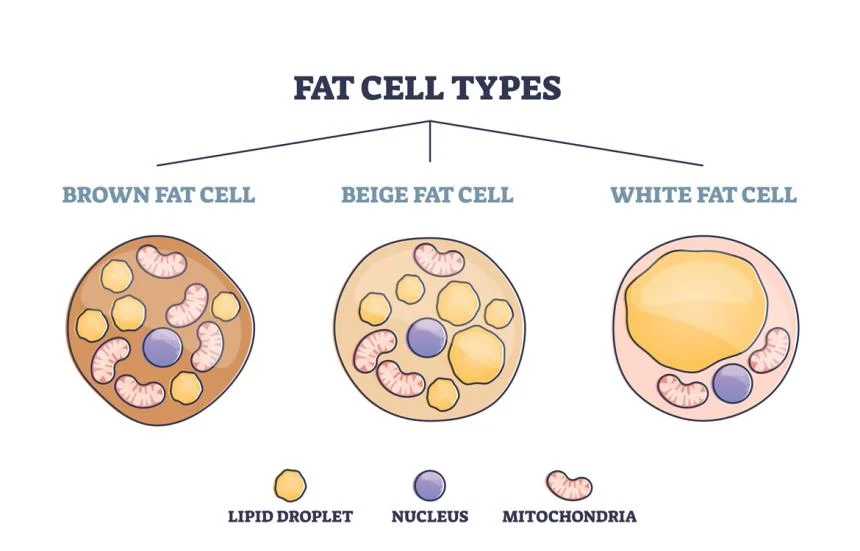
The human body contains three main types of fat tissue[1]:
- White fat stores energy. Most of the fat in the body is white fat. It cushions organs and provides a calorie reserve. Excess white fat — especially around the abdomen — is associated with metabolic problems.
- Brown fat burns energy to generate heat. It is smaller in volume than white fat, but metabolically very active.
- Beige fat is an in-between tissue. It consists of white fat cells that, under certain signals, take on brown-fat behaviour and begin burning energy as well as storing it.
Brown fat gets its colour from its high concentration of mitochondria — the structures inside cells that produce energy. Mitochondria are rich in iron, and that iron gives the tissue its distinct brownish appearance.[1] Compared with white fat cells, which are essentially storage droplets, brown fat cells are smaller, denser and look more like working engine rooms than fuel tanks.
In adults, brown fat is found in small pockets around the neck, collarbones, shoulders, along the spine and around organs such as the kidneys, adrenal glands and heart.[1] Newborns have considerably more — between roughly 2% and 5% of body weight — because brown fat helps them regulate body temperature before they can shiver.[1]
The 2009 discovery that changed metabolic science
For most of the twentieth century, brown fat was considered a feature of infants and small mammals. It was assumed that adult humans lost it as they grew.
That assumption was overturned in 2009, when three independent studies published in the New England Journal of Medicine used PET-CT imaging — a scanning technique that lights up metabolically active tissues — to demonstrate that adult humans retain working brown fat throughout life.[2][3]
The Cypess and colleagues study reviewed more than 3,600 patient scans. It found detectable brown fat in 7.5% of women and 3.1% of men, with women showing the tissue roughly two-and-a-half times more often than men.[2] The researchers also reported an inverse correlation between the amount of brown fat and body mass index — meaning leaner individuals tended to have more active brown fat, especially among older adults.[2]
These findings have important implications. Brown fat is not a curiosity of infant biology. It is a real, measurable contributor to adult metabolism. And because it is reduced — though still present — in many people with overweight or obesity, it is now a serious target of research into long-term metabolic health.
How thermogenesis works, in plain English
Brown fat’s defining ability is thermogenesis, which simply means heat production. Understanding the mechanism makes the rest of the picture much clearer.
In most cells, mitochondria take fuel — sugars and fats — and convert it into a chemical energy currency called ATP. ATP is what the body spends to power muscles, organs and brain activity.
Brown fat cells operate differently. They contain a specialised protein called uncoupling protein 1, or UCP1. UCP1 acts like a shortcut switch on the mitochondria. When it activates, fuel is no longer routed into ATP production. Instead, the energy is released directly as heat.[4] This is what allows brown fat to warm the body without muscle movement, and what gives the tissue its remarkable capacity to spend calories rather than store them.
The signal that activates brown fat comes primarily from the sympathetic nervous system, the same nervous network that controls the body’s response to cold, stress and exertion. When skin temperature drops, the brain sends a signal that triggers brown fat to begin burning fuel.[1][4] This is why cold exposure is the most well-studied way to activate the tissue.
However, cold is not the only input. Exercise, certain plant compounds, sleep quality and overall nervous-system health all influence how readily brown fat fires up — which has opened the door to a range of newer research areas.
What the research actually shows (and what it doesn’t)
The 2009 Maastricht study by van Marken Lichtenbelt and colleagues placed 24 healthy young men in a mildly cool environment of about 16 °C and then scanned them. Active brown fat was detected in nearly all of them. Crucially, brown fat activity was significantly lower in participants who were overweight or obese than in lean participants.[3]
This pattern has been confirmed across multiple later studies. People with metabolic conditions tend to have less active brown fat, but they still have the tissue. That suggests the gear is present in most adults — it simply isn’t always switched on.[3][4]
Two important caveats are worth stating up front:
First, the calorie contribution from brown fat is modest in absolute terms. Most realistic estimates place sustained brown fat activation in the range of an additional hundred or so calories burned per day. That is meaningful when compounded across months, but it does not replace the role of diet, movement or sleep in body composition.[1]
Second, brown fat is a contributor to overall metabolism, not a standalone solution. The strongest evidence to date suggests that supporting brown fat works best as part of a wider routine: balanced nutrition, regular movement, adequate sleep, and a generally well-regulated nervous system.
The honest summary of the current research: brown fat is a real, measurable metabolic asset; activating it can support healthier energy balance over time; and it is one piece of a much larger picture rather than a shortcut.
A common misconception worth correcting
A widely held belief is that all body fat works the same way, and that the only sensible goal is to reduce it. This is a simplification that has shaped decades of dieting advice — and it leaves out the most interesting part of the story.
The science of adipose tissue makes clear that fat is not a single substance with a single function. White fat is largely a storage tissue. Brown fat is largely a heat-generating tissue. Beige fat is plastic — capable of shifting between the two modes depending on the signals it receives.[1]
The implication is important: a sensible metabolic strategy is not only about reducing white fat. It also involves protecting and supporting the tissues that help spend energy in the first place. That includes brown fat, healthy mitochondria, lean muscle tissue and a nervous system that is not stuck in chronic stress mode.
Reframing fat as a system rather than a single enemy changes the kinds of habits that make sense. Crash dieting, for example, may reduce white fat in the short term but also dampen the metabolic processes that keep brown fat active. Steady, sustainable habits tend to protect both sides of the equation.
What appears to support brown fat activity
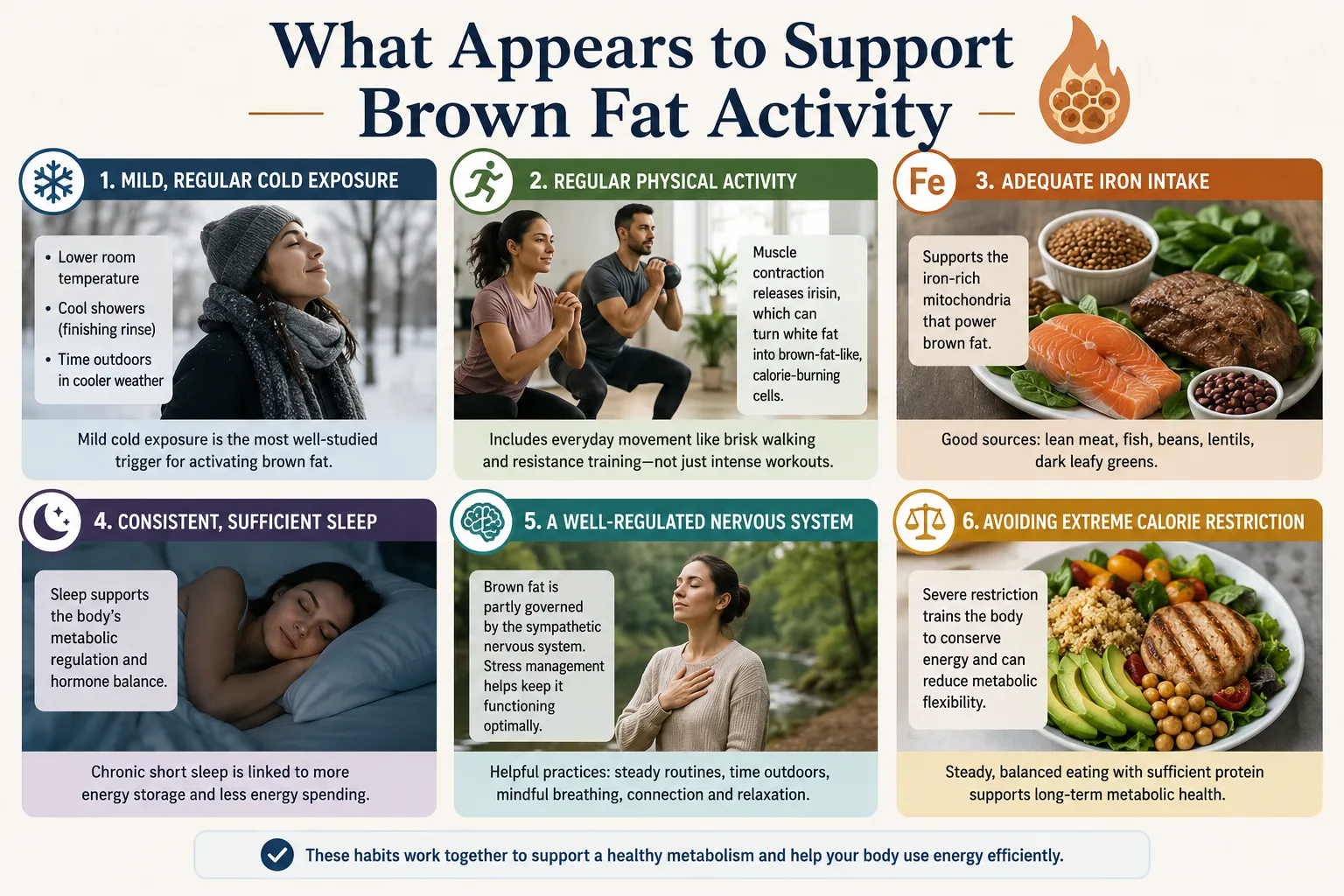
Based on current peer-reviewed evidence and major health-authority guidance, the following habits are most consistently associated with healthier brown fat activity:
- Mild, regular cold exposure. This is the most well-studied trigger. Lowering ambient temperature, sleeping in a slightly cooler room, finishing a shower with a brief cool rinse, or simply spending time outdoors in cooler weather are all forms of mild cold exposure that have been shown to activate brown fat in research settings.[1][3]
- Regular physical activity, particularly muscle-engaging movement. When muscles contract during exercise, they release a hormone called irisin. Research originally led by teams at Harvard found that irisin can promote the conversion of white fat cells into brown-fat-like, calorie-burning cells.[5] The effect is observed with everyday activities such as brisk walking and resistance training — not only with intense workouts.
- Adequate iron intake. Because brown fat tissue is rich in iron-containing mitochondria, sufficient dietary iron supports its function. Good sources include lean meat, fish, beans, lentils and dark leafy greens.[1]
- Consistent, sufficient sleep. Sleep is when the body does much of its metabolic regulation. Chronic short sleep is associated with shifts toward energy storage rather than energy spending.
- A well-regulated nervous system. Because brown fat is partly governed by the sympathetic nervous system, prolonged chronic stress can dysregulate its activation. Stress-management practices that support a balanced nervous system — such as steady routines, time outdoors and mindful breathing — appear to play a supportive role.
- Avoiding extreme calorie restriction. Severe and prolonged restriction trains the body to conserve energy and can reduce metabolic flexibility over time. Steady, balanced eating, with sufficient protein, tends to preserve metabolic health better than aggressive dieting cycles.
A daily dietary supplement such as pHix, formulated with matured hop extract, sits alongside these habits as one supporting input — not a replacement for them. The evidence base for matured hop bitter acids on visceral fat reduction is encouraging, but works best when combined with the broader lifestyle factors above.
Why this matters for long-term fat loss
The conventional fat-loss conversation has been dominated by one idea: eat less, move more. That equation is not wrong, but it is incomplete. It overlooks the fact that the body’s metabolic machinery has multiple gears, some of which can be supported or neglected by daily habits.
Brown fat is one of those gears. It is small but metabolically powerful. It works in the background, burning fuel as heat. It can be encouraged through familiar, low-cost behaviours — colder rooms, more walking, better sleep, less chronic stress. And it appears to be less active in many people who struggle with weight, suggesting that supporting it may be especially valuable for those individuals.
None of this changes the fundamentals of healthy weight management. A balanced diet, regular movement and good sleep remain the foundation. But understanding brown fat reframes the goal. It is not only about subtraction — about losing weight, losing fat, losing inches. It is also about supporting the systems that keep metabolism healthy in the first place.
Closing
Brown fat is a small but meaningful contributor to human metabolism. It produces heat from fuel rather than storing it, it responds to everyday inputs such as cool air and movement, and it appears to be more active in leaner individuals — which makes it a sensible target for anyone interested in supporting long-term metabolic health.
For readers interested in stimulant-free options to support natural fat metabolism, pHix drops are designed to fit into a balanced daily routine alongside good food, regular movement and adequate sleep. To learn more, visit the Trienics weight-loss page, or join our email list for weekly, plain-English explainers like this one delivered straight to your inbox.
Disclaimer: These statements have not been evaluated by the FDA. This product is not intended to diagnose, treat, cure, or prevent any disease. Always consult your healthcare provider before starting any new supplement.
References
- Cleveland Clinic. Brown Fat (Brown Adipose Tissue): What It Is & What It Means. Cleveland Clinic Health Library, reviewed 2022. Read source
- Cypess AM, Lehman S, Williams G, et al. Identification and Importance of Brown Adipose Tissue in Adult Humans. New England Journal of Medicine, 2009; 360:1509–1517. Read source
- van Marken Lichtenbelt WD, Vanhommerig JW, Smulders NM, et al. Cold-Activated Brown Adipose Tissue in Healthy Men. New England Journal of Medicine, 2009; 360:1500–1508. Read source
- Sanchez-Delgado G, Martinez-Tellez B, et al. Human Brown Adipose Tissue and Metabolic Health: Potential for Therapeutic Avenues. National Library of Medicine / PMC, 2021. Read source
- Harvard Health Publishing. Natural “exercise” hormone transforms fat cells. Harvard Medical School. Read source