
Book A Call Now
STAGE 3 OF 3
Postmenopause: Your New Baseline
This is everything after the 12-month mark and it lasts for the rest of your life. Most day-to-day symptoms ease with time, but new long-term health priorities take centre stage.
What Postmenopause Means
Once you’ve gone 12 consecutive months without a period, you’re postmenopausal — permanently. Oestrogen remains consistently low for the rest of your life, which is why the health focus shifts from managing fluctuating symptoms to protecting long-term health.
Many women describe postmenopause as a settled, confident stage of life. On average, women live around 30 years beyond menopause. Long-term health planning here matters just as much as symptom relief did earlier.
Long-Term Health Priorities
Bone Health
Falling oestrogen raises osteoporosis risk. Weight-bearing exercise, calcium, vitamin D, and bone density scans matter from here on.
Heart Health
Oestrogen’s protective effect on the cardiovascular system fades. Blood pressure and cholesterol checks become more important.
Vaginal & Urinary Health
Dryness and urinary symptoms often continue or worsen. Very treatable with local vaginal oestrogen. Not something to just live with.
Symptoms That May Continue
Vaginal Dryness and Discomfort
Tissue naturally thins and dries further as oestrogen stays low, which can make sex or even daily activities uncomfortable. Often persists or worsens without treatment, but it's very responsive to local vaginal oestrogen.
Sleep Disruption
Trouble falling or staying asleep can continue independently of hot flushes at this stage, sometimes tied to the natural changes in sleep architecture that come with age.
Joint Aches
Stiffness or soreness in knees, hands, and shoulders can persist as oestrogen's natural anti-inflammatory effect stays low. Often eased by movement, omega-3s, and strength work.
Brain Fog
Trouble concentrating or finding words can still linger into postmenopause for some women, though it typically eases once hormone levels fully settle. Omega-3s and choline-rich foods have real, if modest, trial support for easing it further.
Hot Flushes
For some women these continue for a decade or more, though they usually ease over time
Food and menopause are connected
Once oestrogen settles at consistently low levels for good, your body loses a lot of the built-in protection it used to have for bone density, heart health, and muscle mass, so what you eat has a bigger, more direct hand in filling that gap. Food can’t restore oestrogen, but the right nutrients can meaningfully slow the specific long-term risks that opening up at this stage, from bone loss to cardiovascular changes to shifts in gut and hormone balance.
Nutrition for Postmenopause
Oestrogen now stays consistently low for good, so nutrition here is about the long game. Protecting your bones, heart, and muscle for the decades ahead, while still easing whatever symptoms are sticking around is what we are focusing on during this phase.
HELPS WITH: BONE HEALTH
Calcium & Vitamin D
Bone density loss is fastest in the years right after menopause and continues through postmenopause. Still the single most important nutrient pairing at this stage.
Dairy or fortified plant milks, leafy greens, oily fish. –see MenoMap for more
HELPS WITH: BONE HEALTH
Vitamin K2
Continues to matter for actually depositing calcium into bone tissue, with solid trial evidence for bone density specifically. Safety note: on warfarin or another anticoagulant? Check with a GP or pharmacist before significantly increasing K2-rich foods.
Natto, aged cheeses, egg yolk, grass-fed butter.
HELPS WITH: BRAIN FOG, HEART HEALTH, JOINT PAIN
Omega-3 / Anti-Inflammatory Foods
With oestrogen’s protective effect on the heart gone for good, cardiovascular health becomes a bigger long-term priority, and this is the stage where the trial evidence for easing joint pain is strongest.
Oily fish, walnuts, chia and flaxseed.
HELPS WITH: JOINT COMFORT, SKIN
Collagen & Vitamin C
Trial evidence for joint comfort is reasonably solid. For skin specifically, worth being upfront that the evidence is contested; independently funded, high-quality trials tend to show less effect than industry-funded ones.
Bone broth, collagen peptides, citrus, peppers, kiwifruit (vitamin C is needed to build collagen from these).
HELPS WITH: MUSCLE LOSS, MOBILITY
Protein
Muscle mass and strength continue to matter for mobility and fall prevention as you age. Protein at every meal helps offset natural muscle loss over time.
Lean meat, fish, eggs, Greek yogurt, tofu, lentils. ~1.2–1.6g/kg body weight/day.
HELPS WITH: LOW LIBIDO, VAGINAL COMFORT
Zinc
The same trial evidence supporting zinc for libido at menopause continues to apply here, and it also plays a role in skin repair and wound healing.
Oysters, beef, pumpkin seeds, hemp seeds.
HELPS WITH: HEART HEALTH, DIGESTION, COMFORT
Fibre & Hydration
Support heart health and digestion, and — alongside vaginal oestrogen where needed — general tissue and urinary comfort. Small, consistent habits add up over the 30-plus years many women spend in postmenopause.
Chia seeds, artichoke, beans, oats, plenty of water.
Nutrition supports long-term health here — it doesn’t replace screening, vaginal oestrogen, or other treatment where it’s needed.
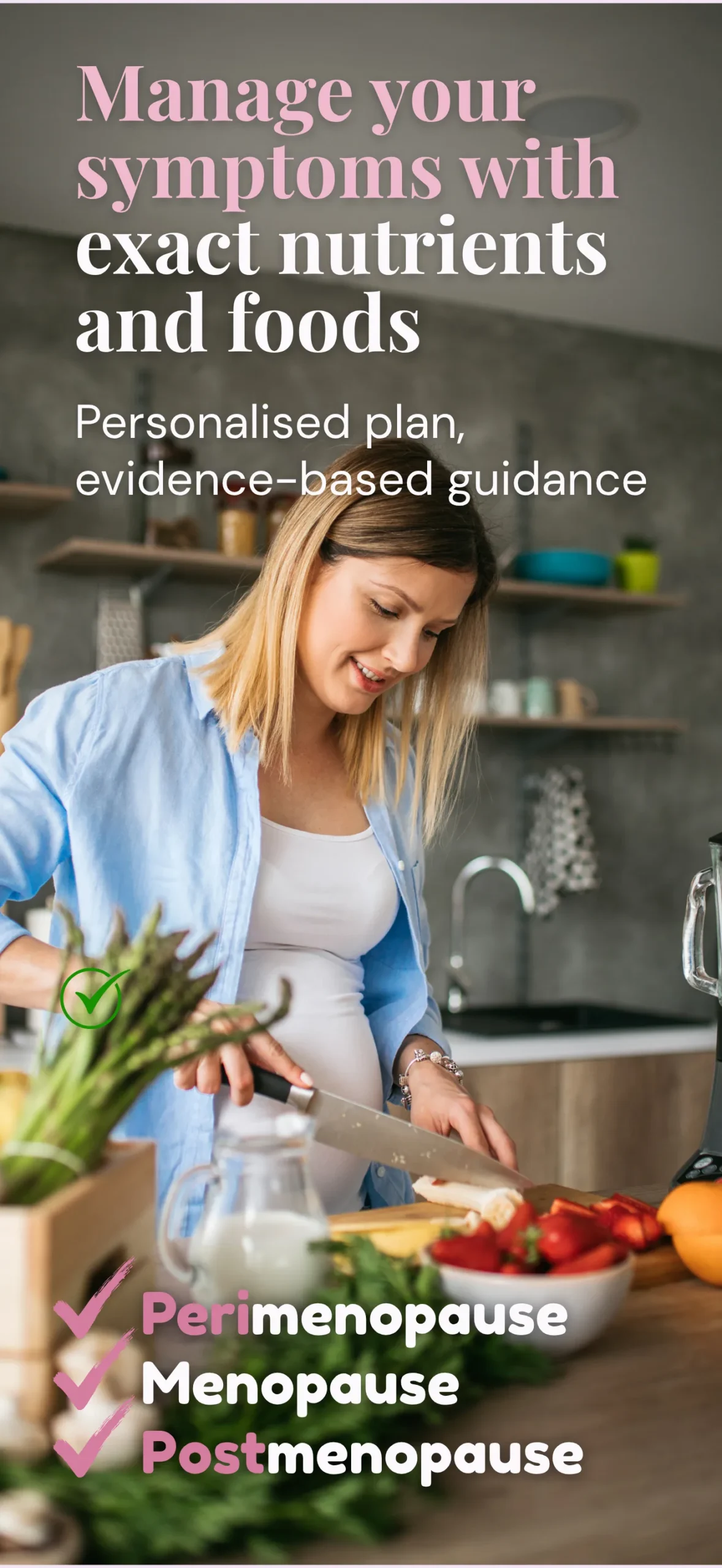
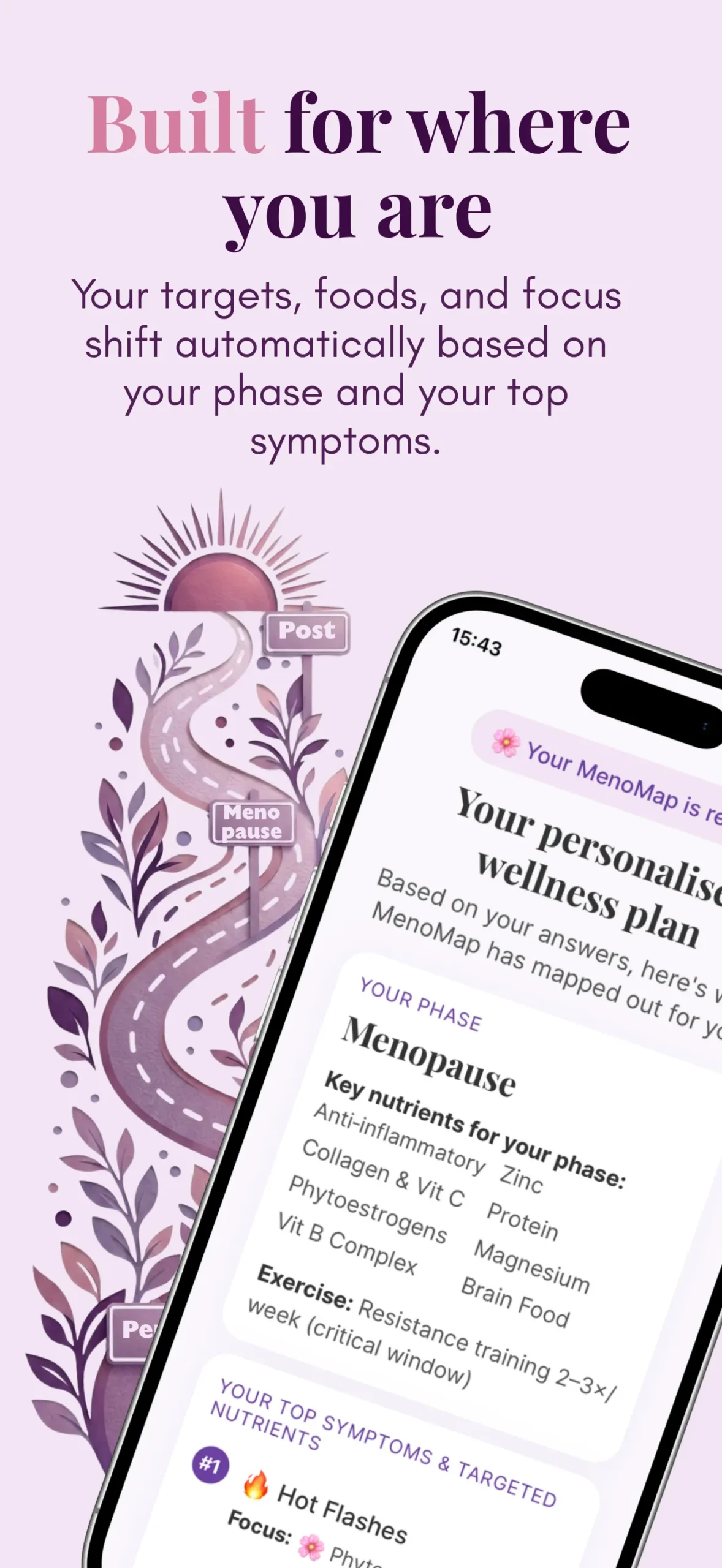
For the full list of foods containing these nutrients, download the MenoMap app
see details below
Screening & Check-In Reminders

- Bone density (DEXA) scan. Discuss timing with your GP if you have osteoporosis risk factors
- Blood pressure and cholesterol checks
- Cervical and breast screening, per the national schedule
- A conversation about vaginal or urinary symptoms. (common, and very treatable)
What the Research Says
- Osteoporosis and fracture risk rises significantly in the years after menopause, making bone health monitoring a genuine priority.
- Cardiovascular disease risk increases after menopause, partly due to the loss of oestrogen’s protective effects.
- Vaginal oestrogen is recognised as safe for long-term use for most women, including many who cannot take systemic HRT.
- HRT can remain appropriate well into postmenopause for suitable candidates — there’s no blanket “stop age.”
None of this is about doing everything perfectly — small, consistent changes matter more than any single “fix.”
This page offers general information, not personal medical advice — please speak to your GP or a menopause specialist about your own symptoms and options.

Evidence-based nutrition guidance for Perimenopause, Menopause, and Postmenopause
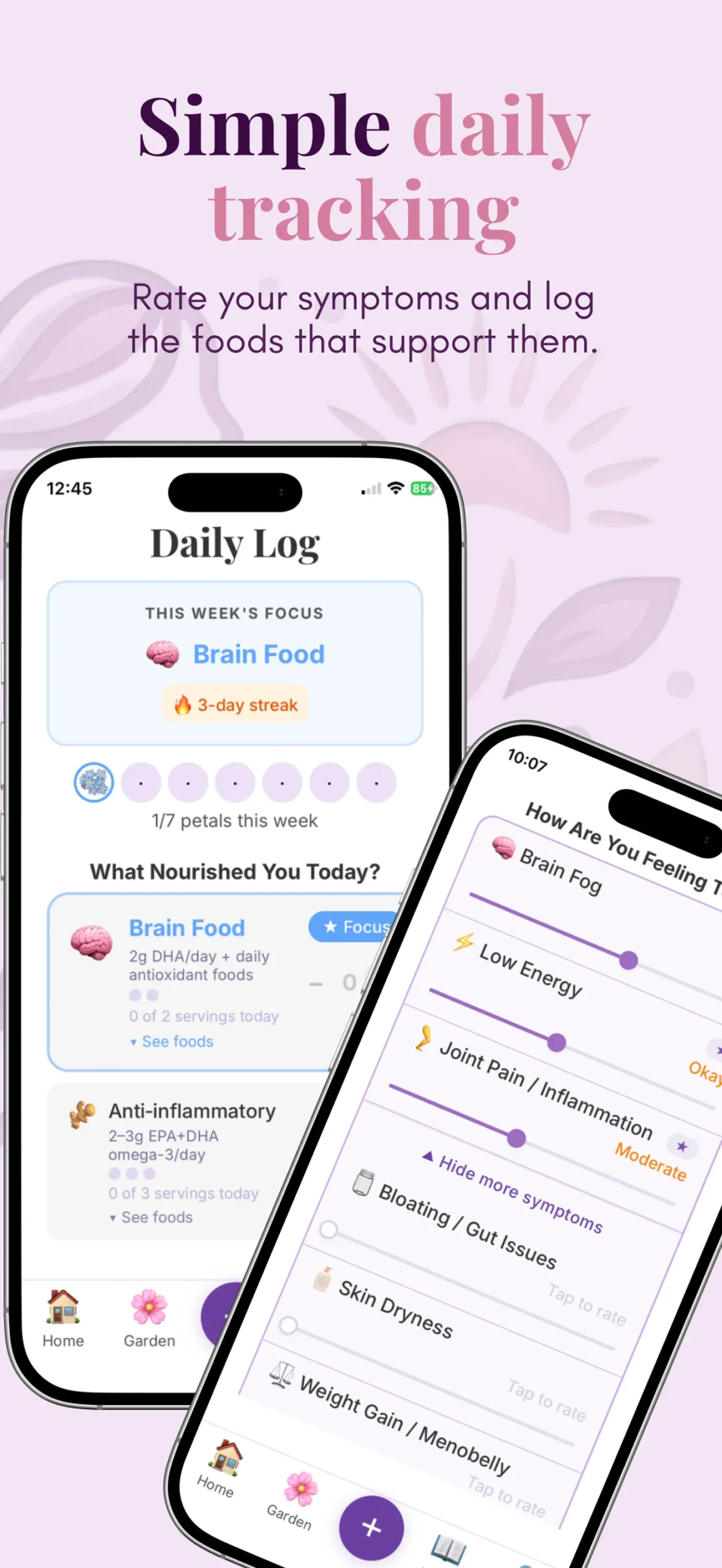
- Log what you eat and how you feel and see the connection between the two in your own data, not just averages
- Personalised to your top 3 symptoms, your phase, and your goals
- A full MenoKitchen food database, plus a protein tracker built for menopause
- Everything stays private on your phone. Nothing is ever sent to a server
Want early access? Get in touch using the button below and we’ll let you know the moment MenoMap launches.

The phase most people actually mean when they say “menopause.”